When your hearing feels obstructed, it can interfere with your daily schedule and leave you feeling detached from your surroundings. Many people instinctively fear they’re experiencing permanent hearing loss when, in reality, the cause may be something much simpler: cerumen accumulation.
Distinguishing between a wax impaction and actual hearing loss is vital for identifying if you need a simple removal or a formal diagnostic exam. In the event you are experiencing dull hearing, don’t panic. While only a clinician can confirm the cause, reviewing these essential markers of earwax vs. hearing loss can provide instant insight.
Recognizing the Markers of Earwax Blockage
Cerumen is essentially a beneficial, natural secretion designed to shield the ear canal from dust and external debris. The trouble begins when this material accumulates to the level of a physical blockage.
Typical markers of an obstruction involve:
- A noticeable decrease in hearing level
- A feeling of canal fullness or a “plugged” sense
- Ear discomfort or mild pain
- Constant buzzing or hissing sounds
- Auditory clarity that improves briefly after opening the jaw or chewing
Earwax-related hearing problems are often asymmetrical, impacting one ear more than the other. The positive aspect is that professional removal usually ends in an immediate restoration of your natural hearing levels.
What Hearing Loss Feels Like
Hearing loss, particularly presbycusis or trauma-based hearing loss, tends to progress gradually and doesn’t improve when the canal is cleaned.
Markers of irreversible auditory decline often involve:
- Battling to follow discourse when background noise is present
- Frequently requesting people to restate themselves
- Turning up the TV or phone audio higher than people prefer
- Trouble detecting high-pitched sounds
- Two-sided hearing shifts that impact both ears simultaneously
Importantly, auditory loss is an intelligibility issue that seldom involves the perception of manual pressure found with cerumen.
Contrasting Wax Buildup and Hearing Loss
When comparing cerumen impaction vs. hearing loss, a handful of indicators can help guide you in the right path:
- Progression: Obstructions can feel instant, while auditory decline is almost always slow
- Permanence: Clogs are a quick fix, while nerve loss needs long-term care
- Symptoms: Fullness and irritation indicate wax; speech clarity challenges indicate loss
- Sides: Unilateral dull sound suggests wax, while bilateral suggests impairment
Why You Shouldn’t Treat Yourself
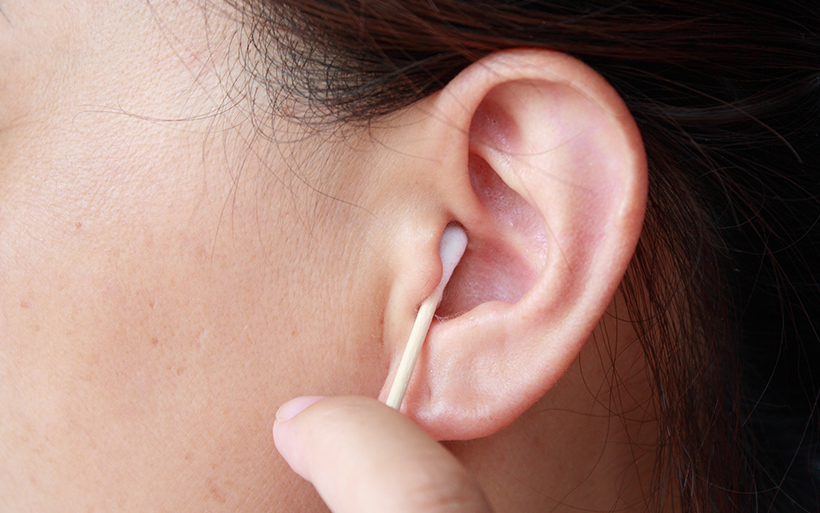
It’s tempting to presume earwax is the culprit — and grab for Q-tips or over-the-counter treatments. Using external objects typically shoves the plug further into the canal, heightening the danger of injury.
Clinical research shows that self-cleaning often leads to unintended damage or more difficult-to-treat impactions.
Delaying a clinical evaluation for real impairment can result in missing out on treatments that protect your future cognitive and communal health.
How a Clinical Evaluation Assists
A simple ear exam can instantly verify whether cerumen is blocking the ear.
If a blockage is found, a professional can clear it safely, often returning your auditory function instantly.
When the ear is unobstructed but sound remains muted, a diagnostic test is required to audit your auditory health.
The National Institute on Deafness and Other Communication Disorders (NIDCD) recommends prompt assessment whenever changes in hearing conflict with your daily life.
Choosing the Correct Solution for Improved Sound Quality
Feeling like sounds are muted may not always signify a permanent loss.
Very often, the issue is simply an accumulation of cerumen that can be quickly cleared.
Obtaining professional care ensures you find the specific source and the right solution for your hearing requirements.
Keep in mind: The sole reliable way to distinguish the distinction between cerumen impaction and auditory impairment is with a clinical evaluation.
Finding the answer soon safeguards your health and provides you with the peace of mind you have earned.
If you’ve observed a shift in your hearing, reach out to our office for a professional evaluation today.