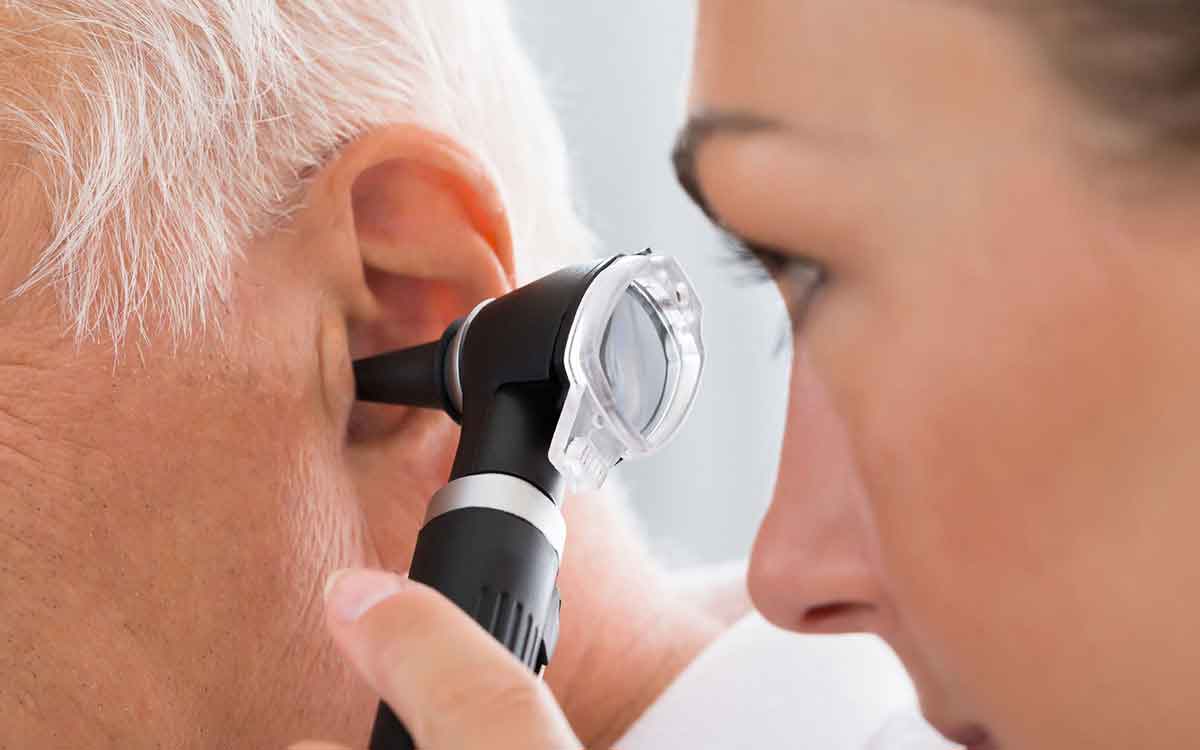
Auditory decline frequently manifests as an incremental process, which often results in the condition being missed during its initial onset. It is common for people to adapt to auditory changes by elevating device volume and avoiding social situations with significant background noise.
Nevertheless, recognizing the preliminary signs of hearing decline is fundamental for long-term health.
Common Symptoms of Early Hearing Loss
If you observe any of the following symptoms, it is recommended to schedule a professional evaluation.
- Difficulty understanding conversations, particularly in noisy environments with a lot of activity.
- Frequently requesting others to repeat information.
- Muffled or unclear speech, where words sound blended together.
- Setting higher volume levels for electronic devices beyond the comfort of family members.
- Decreased perception of high-pitched stimuli like children’s speech or household alerts.
- Occasional ear ringing or humming characteristic of tinnitus.
- Mental drain after social events caused by persistent listening effort.
- Withdrawing from social events because conversations feel overwhelming.
Preliminary indicators of auditory decline may appear in unilateral or bilateral patterns and fluctuate in frequency initially. Because the brain adapts quickly, many people fail to recognize the extent of their subconscious adjustments until hearing loss advances further.
Understanding Hearing Impairment Through Data
According to official WHO data, over 700 million people will require hearing rehabilitation by 2050. Other relevant statistics include:
- By 2050, nearly 2.5 billion people are projected to experience various levels of hearing loss.
- Over 5% of the world’s population (430 million people) necessitates rehabilitation to address disabling hearing loss.
- In excess of 1 billion young adults face the threat of permanent hearing loss due to unsafe listening practices.
- Among those aged 60 and older, over 25% have disabling hearing loss.
The Critical Importance of Early Identification
Untreated hearing loss can impact your overall health in manners that are often underestimated.
Clinical research has linked hearing loss with increased risks of withdrawal, depression, impairment, and balance issues.
Timely management offers better long-term prognosis and greater treatment flexibility.
Audiological testing distinguishes between age-related decline, earwax blockage, or other health conditions.
In some cases, auditory shifts are temporary and treatable.
In others, early use of hearing devices or protective strategies may mitigate further decline.
Recognizing the Need for Audiology Services
A clinical hearing assessment is warranted if you experience the following:
- Auditory indicators persist for more than a few weeks.
- Auditory challenges interfere with work, relationships, or daily activities.
- Instances of acute hearing loss, dizziness, or chronic tinnitus require urgent clinical attention.
Hearing evaluations are noninvasive and provide valuable information regarding your auditory wellness.
Reach out to our specialists if you are interested in scheduling a baseline hearing evaluation.
Frequently Asked Questions: Recognizing Auditory Decline
Q: Is hearing loss always age-related?
A: No. While age-related hearing loss is common, hearing changes can also result from noise exposure, medications, infections, genetics, or underlying medical conditions.
Question: Is it possible to restore lost hearing?
Answer: Specific causes, including earwax blockage, may be susceptible to reversal through treatment. While other forms are irreversible, they can usually be managed with professional treatment or hearing technology.
Question: How frequently should an individual undergo a hearing test?
Answer: Clinical guidelines suggest a baseline evaluation by the age of 50, or earlier if symptoms of hearing loss are noticed.