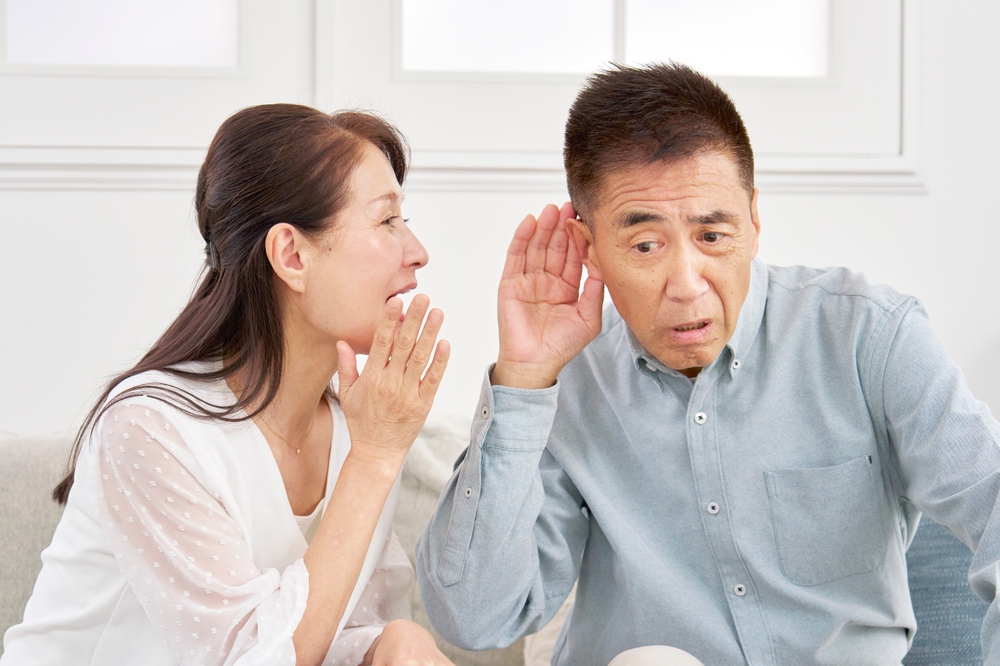
Prevalent myths regarding hearing loss frequently act as a barrier to necessary audiological treatment. Early diagnostic accuracy is essential for anyone experiencing the onset of hearing loss. Believing common hearing loss myths can delay diagnosis, impact communication, and reduce your overall quality of life.
If you have concerns about your hearing, knowing the truth (and the myths!) can help you make informed decisions about your health and proceed with greater confidence. We will now examine seven prevalent auditory myths and the clinical evidence that refutes them.
1. Myth: Only Older Adults Have Hearing Loss
While sensory shifts are frequent in seniors, hearing loss remains a cross-generational health concern. Hearing impairment in younger patients is frequently caused by environmental noise, genetic predisposition, or systemic illness.
The “aging myth” frequently prevents young and middle-aged adults from pursuing an essential hearing test.
Myth: Hearing Perception Rules Out Impairment
Hearing loss doesn’t have to mean complete deafness. In fact, many people with mild or moderate hearing loss can still hear sounds, but they struggle to understand speech clearly. The space between normal hearing and total impairment is populated by various degrees of clinical challenges.
Signs of decline often involve poor speech-in-noise recognition and significant mental strain after talking with others. Failing to address these subtle changes can lead to long-term communicative difficulties.
Myth: Auditory Decline is a Low-Stakes Issue
Ignoring hearing loss creates systemic health risks that impact the entire neurological system. Data shows that failing to treat hearing issues can lead to brain atrophy and emotional health challenges.
Managing your hearing health is a critical step in preserving your holistic quality of life.
Myth Four: The Deterioration Fallacy
There is no clinical evidence to suggest that proper use of hearing aids speeds up auditory decline.
Hearing aids do not damage your ears. Instead, they amplify sounds based on your hearing test results. Consistent use of hearing aids maintains the neural pathways required for clear sound interpretation.
Myth: All Hearing Aids are Bulky and Noticeable
Current hearing tech leverages micro-circuitry to achieve high performance in small packages. Modern hardware has reached a peak of efficiency, offering discrete aesthetics with high-fidelity sound. Many hearing aids are nearly invisible when worn and can be customized to fit comfortably inside or behind the ear.
Beyond their small profile, these devices feature AI-driven noise cancellation and seamless smartphone integration.
Why Even Mild Hearing Impairment Requires Attention
Even mild hearing loss can impact communication and daily life. Using hearing help for mild cases reduces the heavy “brain power” usually required to decode speech.
Patients who pursue early help experience a much smoother transition to using hearing technology.
Myth Seven: The Generic vs. Personalized Care Fallacy
Generic OTC amplifiers lack the sophisticated frequency shaping required for complex hearing loss profiles. Professional diagnostics ensure your hearing solution is “tuned” to your specific environment and biology.
The difference between “generic” and “custom” is measured in both physical comfort and speech understanding.
Don’t Let Hearing Loss Myths Hold You Back
While aural changes are intimidating, delaying care only leads to more complex communicative issues. But believing common myths about hearing loss can make symptoms more challenging over time. Fortunately, a modern hearing test is a non-invasive, efficient process that yields vital health data.
Should you perceive even minor shifts in your auditory acuity, a baseline exam is your most critical move. Prompt action protects your ability to engage with the world and maintains your mental well-being.
For more information or to book your next hearing test, please contact our clinic today. Our team is available for appointments: Call us today to protect your hearing.