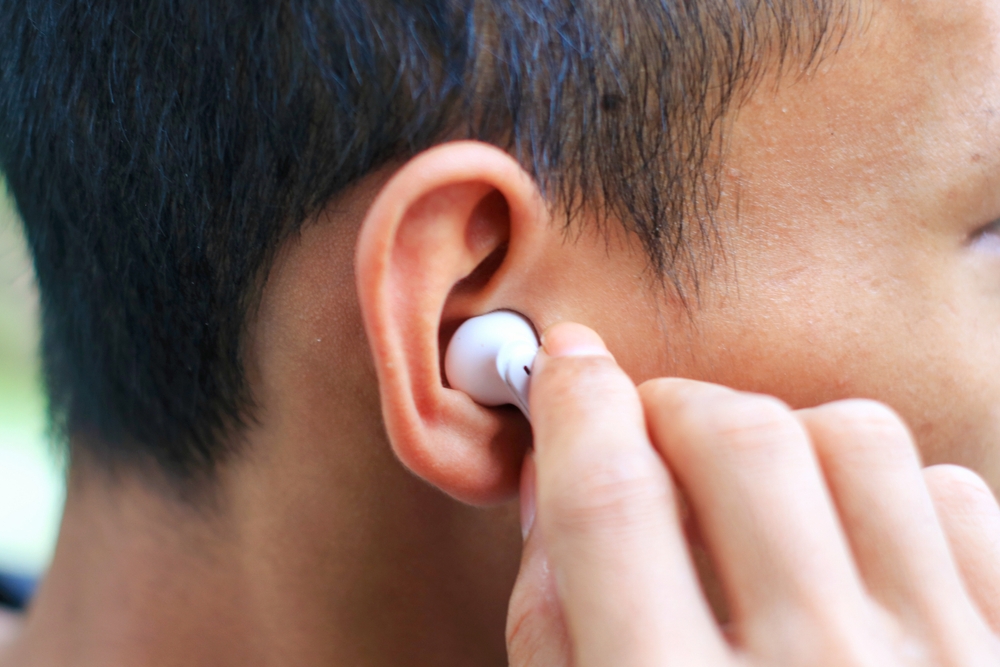
Rarely do we see a young adult in public without an earbud in their ears. Even with their larger footprint, headphones remain a popular choice for teenagers looking to disconnect from the world. The appreciation for music is a cross-generational trait, yet younger individuals often depend on it for constant background stimulation. Does the immediate physical closeness of these transducers to our ears result in measurable hearing loss? Clinically speaking, the hardware is not the culprit; rather, the risk lies in human behavior and exposure levels.
The Risks of Prolonged High-Decibel Exposure
The psychological impact of music varies, serving to calm the nerves, provide emotional solace, or increase physiological arousal. Much depends on the rhythm and volume of the content being consumed. Utilizing personal audio devices is considered a social courtesy, allowing for private enjoyment in communal spaces. Most individuals view this as a positive etiquette, especially within the confined spaces of a bus or train.
From an audiological perspective, we must define the specific thresholds for safe volume and exposure duration. In reality, excessive sound pressure is universally hazardous to the delicate structures of the cochlea. If you maintain a high volume for a long period, you risk destroying the hair cells in your inner ear. Since hearing shifts occur incrementally, the window for prevention has often closed by the time a patient seeks help.
The Biological Impact of High-Intensity In-Ear Audio
High volume stands as the most significant threat to the preservation of hearing sensitivity. However, the duration of the exposure matters as much as the volume.
- Clinical guidelines from the NIH suggest that listening at or below 70 dB prevents damage regardless of the duration.
- The rate of auditory trauma increases exponentially as the decibel level rises.
- Audiologists recommend the 60/60 rule: stay below 60% of max volume and limit sessions to one hour.
- Protect your hearing by turning down the volume on your device and limiting your exposure.
Warning Signs of Hearing Loss
Common indicators such as “ringing” in the ears and a recurring inability to understand speech in loud rooms warrant an immediate specialist consultation.
If you suspect a decline in your hearing, contact our office to begin a professional diagnostic process.