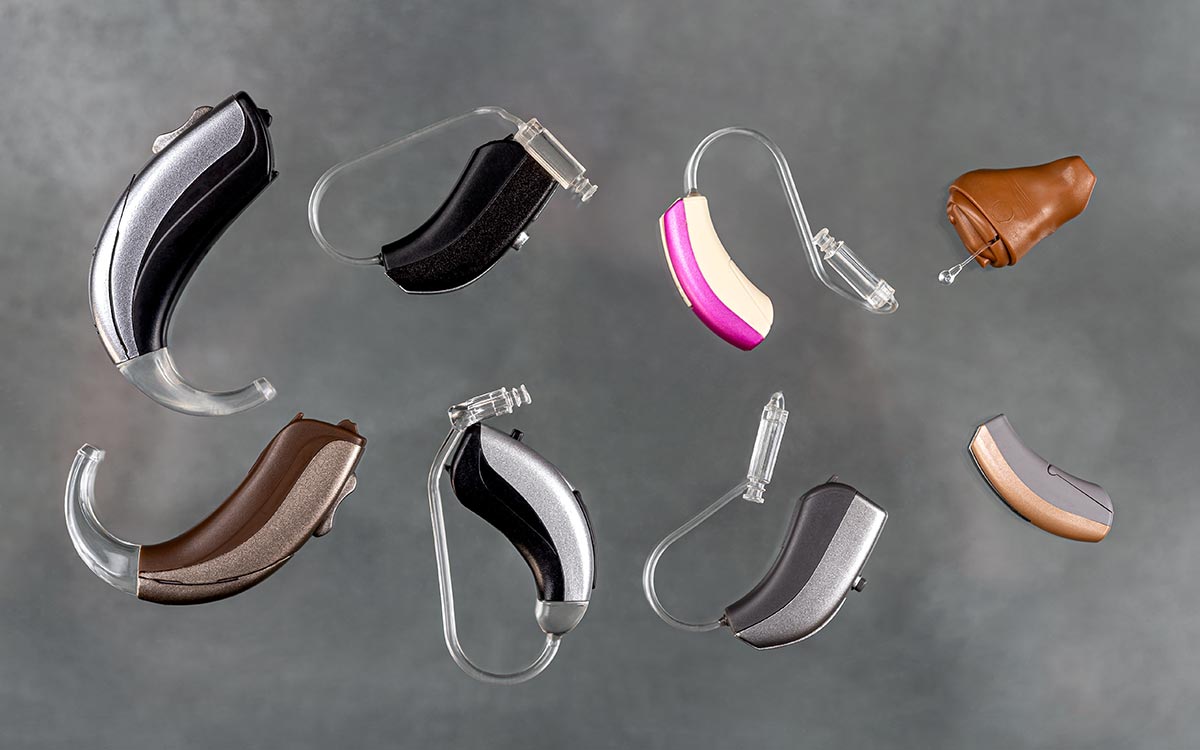
Choosing a hearing aid can feel overwhelming, especially when today’s devices come in so many styles, sizes, and technology levels. However, a specialized hearing solution exists for every person’s unique needs and daily habits. It’s all about discovering which model aligns perfectly with your specific requirements.
Understanding the differences among the most common types of hearing aids can help you feel more informed and confident as you explore your options. In this analysis, we glance at current styles and the unique characteristics that define them.
In-the-Canal (ITC) Hearing Aids
The Meaning:
An ITC device is engineered to sit partially within the ear canal while showing just a small section in the outer ear area.
Common Benefits:
- Offers a smaller profile than bulkier behind-the-ear units
- Tailored to the specific contours of your ear
- Designed to address low to moderate hearing impairments
ITC devices offer a good equilibrium between visibility and functionality, making them an ideal choice for first-time users.
Ultra-Discreet IIC Devices
What they are:
These are the smallest custom-made units on the market today. They are inserted deep within the canal to remain hidden from view.
Why individuals choose them:
- The best choice for users prioritizing appearance
- Natural sound quality due to microphone placement
- Lightweight and comfortable
IIC devices are primarily aimed at those with moderate hearing needs who want their technology to remain completely unnoticed.
ITE (In-the-Ear) Model Summary
The Fundamentals:
An ITE hearing aid fits securely within the outer ear, available in both full-shell and half-shell configurations. The shell is specially molded to the specific contours of your individual ear.
The Advantages:
- A slightly larger frame accommodates advanced tech and more powerful batteries
- Ideal for seniors who find smaller devices difficult to manipulate
- Effective for an extensive range of hearing impairments, ranging from mild to severe
Users regularly select these models for their straightforward, single-piece construction that avoids any external wiring or tubing.
BTE (Behind-the-Ear) Basics
What they represent:
BTE hearing aids sit securely behind the ear. Audio is sent through an ultra-fine tube or a personalized mold in the canal.
Common Reasons:
- Very flexible and durable
- Can be set to assist users with everything from mild to profound loss
- Offer room for advanced features and rechargeable batteries
If you require a robust hearing aid that is easy to operate and offers high-power output, the BTE style is ideal.
Receiver-in-Canal (RIC) Hearing Aids
Component Layout:
While they resemble BTE units, RIC aids place the speaker directly in the canal for better sound delivery.
Why users select them:
- Known for creating some of the most authentic audio in the industry
- Compact, lightweight, and comfortable
- Flexible enough to address a broad number of hearing impairments
Thanks to their ease and aesthetic beauty, RIC devices have become an industry standard.
Understanding Long-Term Systems
Usage Summary:
Extended-wear models are semi-permanent units that an expert fits into the ear for an interval of several weeks.
Lifestyle Advantages:
- Provides an effortless journey with no daily maintenance required
- Almost invisible
- Built to endure the stresses of sleep, exercise, and showering without being removed
These models are the ultimate option for a low-maintenance, seamless hearing experience.
Bluetooth-Enabled Hearing Aids
Functionality:
Hearing aids with wireless connectivity that sync with smartphones, tablets, computers, and sometimes TVs.
Digital Advantages:
- Stream calls, music, and audio straight to the hearing aids
- Provides a discreet method to manage your hearing environment from your mobile screen
- Enhances everyday life by making technology interaction seamless and clear
This wireless technology is found in most modern behind-the-ear and in-the-canal models.
Alternative Surgical Options
What they represent:
An implantable method that works by vibrating the tiny bones inside the ear to provide amplified audio.
Medical Motivations:
- Choice for those who cannot use traditional hearing aids
- Pleasant alternative for chronic ear issues related to traditional devices
A complete meeting with an ENT professional is necessary before considering a middle-ear implant.
Your Path to Improved Sound
Selecting an instrument is an individualized process that takes into account your hearing severity, lifestyle habits, and visual preferences. A hearing care professional can lead you through your choices, answer questions, and help you experience how different devices look and feel.
Take the lead for your hearing health by booking a professional evaluation today. Your future of assured communication starts with this first evaluation.
Sources:
https://www.mayoclinic.org/diseases-conditions/hearing-loss/in-depth/hearing-aids/art-
20044116
https://www.hearinglife.com/hearing-aids/types
https://www.nidcd.nih.gov/health/hearing-aids