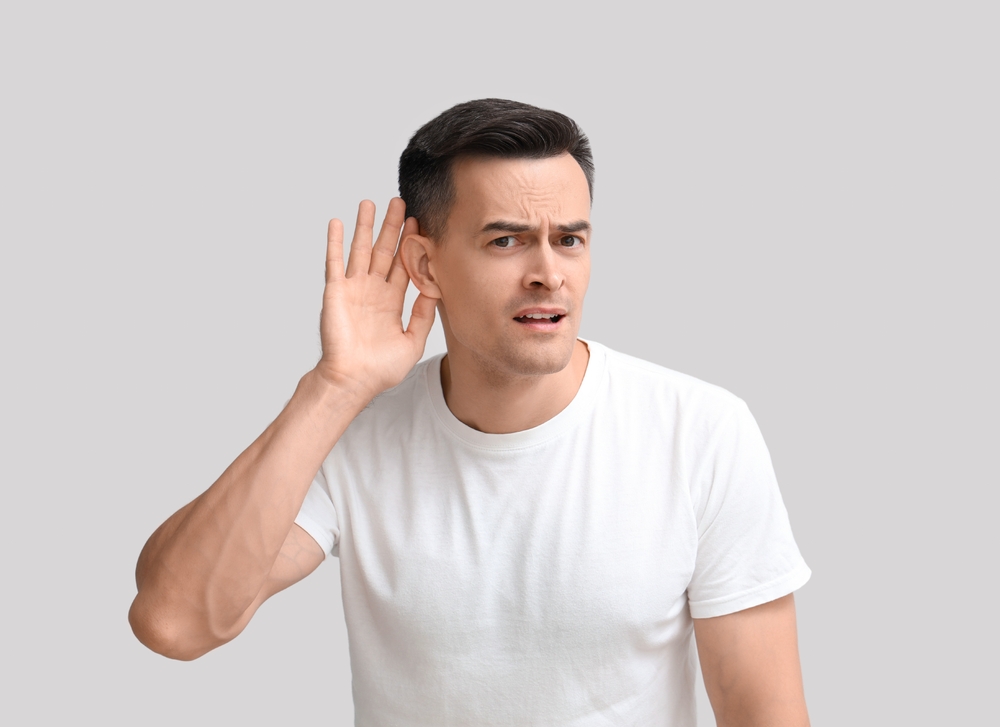
Have you noticed a distinct sense of exhaustion after participating in lengthy verbal interactions?
You may assume you’re just tired, stressed, or overwhelmed. Certainly, for those with introverted tendencies or sensory processing sensitivities, social engagement is naturally taxing. But in some cases, the cause is a lesser-known culprit: auditory fatigue.
Auditory fatigue occurs when the central nervous system must expend excessive energy to decode acoustic signals. When sound clarity is compromised, the brain allocates vast cognitive resources to deciphering muffled or distorted phonemes. Over time, this constant strain can leave you feeling mentally exhausted.
Most individuals fail to distinguish between localized auditory fatigue and general fatigue. This type of burnout often points toward a functional decline in the auditory system. A comprehensive assessment can help determine whether hearing loss is contributing to your symptoms. If you notice this pattern happening regularly, talk to your provider about determining whether hearing loss is contributing to your symptoms.
What Causes Auditory Fatigue?
Various stressors can overtax the auditory cortex, leading directly to the onset of auditory fatigue.
Untreated Hearing Loss
One of the most common causes is untreated hearing loss.
When acoustic signals are incomplete, the brain engages in heavy “top-down” processing to reconstruct speech. Relying on context rather than clarity places an unsustainable burden on the brain during everyday conversations.
How Background Noise Triggers Fatigue
Acoustically complex settings serve to intensify the demand on the brain’s filtering systems. Loud public spaces, corporate boardrooms, and large social gatherings typically feature high levels of competing ambient noise.
In multi-source sound environments, the brain must exert massive energy to suppress irrelevant noise. The resulting cognitive overload is particularly severe for those managing even marginal degrees of hearing loss.
Distortion, Tinnitus, and Cognitive Drain
Chronic tinnitus compounds listening effort as the brain struggles to ignore internal noise while focusing on external speech.
Sound distortion caused by hearing loss can further increase strain, forcing the brain to work even harder to understand speech.
Identifying the Symptoms of Listening Exhaustion
Auditory fatigue can affect both mental focus and overall energy levels. Frequently observed symptoms include:
- Sense of being “wiped out” after a basic discussion
- Struggles with cognitive focus during collaborative sessions
- Development of “listening headaches” after long social events
- Irritability or frustration in social settings
- A tendency to “tune out” or physically leave social gatherings
- The need for a “quiet recovery period” following social exposure
Frequent presentation of these symptoms is a clear sign of neurological auditory over-exertion.
Why Hearing Loss Makes Your Brain Work Harder
With healthy hearing, the brain’s speech recognition pathways operate with high efficiency. However, when hearing loss is present, the brain must allocate more cognitive resources to decode sounds.
Audiologists and neurologists define this extra effort as a high cognitive load. The brain is forced to sacrifice higher-level thinking to manage the low-level task of hearing sound. Over time, this extra effort can leave you feeling mentally depleted. Even short conversations may require more concentration than they should.
Diagnosing the Source of Your Fatigue
A formal auditory screening is the most effective way to determine why you feel so drained. In the clinic, an expert will assess your ability to detect specific pitches and interpret clear speech. An audiologist may simulate real-world noise to see how your brain manages complex auditory environments.
A professional assessment confirms the link between your ears and your exhaustion, enabling targeted care. By catching these changes in their infancy, you can implement solutions before they damage your social and professional life.
How Modern Technology Lowers Cognitive Load
Treating hearing loss can significantly minimize listening fatigue.
Advanced hearing aids utilize AI to sharpen speech signals while simultaneously suppressing irrelevant environmental noise. This allows the brain to receive clearer signals without constantly trying to fill in missing sounds.
With restored hearing clarity, you will likely see a boost in:
- Mental energy throughout the day
- Focus during conversations
- Reduced anxiety and heightened ease during social events
By reducing neural over-exertion, your daily life regains its sense of ease and fluidity.
When Should You Schedule a Hearing Test?
Consider booking a hearing test if any of the following rings true:
- You experience burnout after standard verbal interaction
- You are increasingly told that you are missing parts of the conversation
- You struggle to follow discussions in noisy environments
- You find yourself “hiding” in quiet rooms during parties or meetings
Addressing hearing concerns early can help reduce listening strain and improve overall quality of life.
What You Need to Know About Auditory Fatigue
Is auditory fatigue the same as hearing loss?
Actually, no; auditory fatigue is the cognitive result of the strain, not the physical impairment itself. Most people experience auditory fatigue as a direct consequence of their hearing loss.
Can Technology Lower My Cognitive Load?
By performing the filtering for you, hearing aids dramatically reduce daily mental exhaustion.
Can Auditory Fatigue Be Cured?
Typically, this fatigue is transient and resolves once the auditory system is supported by clinical care.
Reclaiming Your Energy After Social Events
It is not “normal” to be wiped out by a simple talk with a friend. Feeling “wiped” after a party is a signal that your brain is struggling to manage its cognitive load.
Schedule your hearing test today by contacting us today. Empowerment, confidence, and peace of mind start with understanding what’s happening with your hearing.