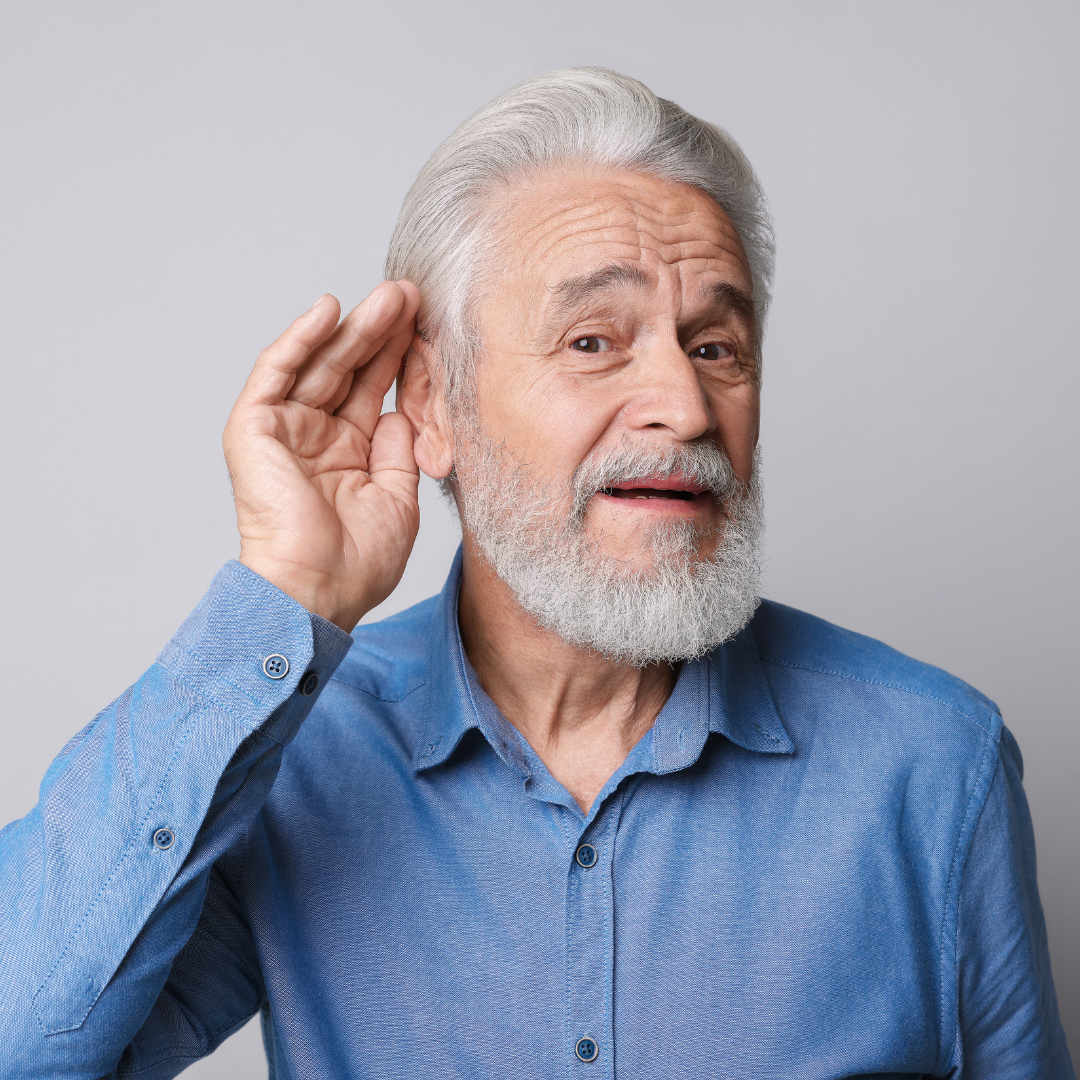
A rapid drop in hearing in one ear can cause immediate fear and leave patients confused regarding the appropriate next steps. Our clinical team conducts same-day diagnostic hearing evaluations and streamlines collaborative medical care following sudden auditory changes. An acute sudden hearing loss consistently necessitates immediate examination by a hearing professional to begin medical therapy or targeted hearing rehabilitation.
Why Sudden Unilateral Hearing Loss Is a Clinical Emergency
Indeed it is. Experiencing sudden hearing loss on one side constitutes a clinical emergency, especially when the drop happens over hours or a couple of days. Often designated as sudden deafness, sudden sensorineural hearing loss reflects damage to the inner ear cochlea or the acoustic nerve. The episode frequently strikes without pain, making it easy to dismiss as seasonal allergies, sinus pressure, or a clogged ear.
Key presenting symptoms include:
- An acute reduction in speech clarity or acoustic loudness on one side
- Struggling to decipher telephone conversation when holding the receiver to the affected ear
- A popping sensation or pressure before hearing changes
- Newly acquired tinnitus presenting as high-pitched ringing, clicking, or roaring in that ear
- Dizziness, imbalance, or a spinning sensation
Do not adopt a wait-and-see strategy hoping the auditory deficit corrects itself. Connect with our clinical team, a local urgent care center, or an ENT specialist for urgent, same-day assessment.
Timing and Prognosis: Why Immediate Care for Sudden Hearing Loss Is Vital
Prompt diagnosis is paramount because pharmaceutical therapies for sudden sensorineural hearing loss achieve optimal outcomes when initiated immediately. Our clinicians must first identify whether the deficit is conductive—caused by cerumen impaction, middle-ear effusion, or ossicular dysfunction—or sensorineural, involving the cochlea or auditory nerve. Even though conductive blockages and neural losses present with similar symptoms, they demand radically distinct medical protocols.
Performing physical otoscopy alongside a diagnostic hearing test confirms the exact classification, frequency configuration, and decibel severity of the hearing loss.
Contact emergency medical services immediately if sudden auditory decline presents alongside:
- Sudden facial droop, hemi-facial paresis, or sensory numbness
- Dysarthria (slurred speech), acute cognitive confusion, or an atypical, severe headache
- Acute visual disturbances, fainting spells, or marked ambulatory unsteadiness
- Severe chest pain, shortness of breath, or critical emergency symptoms
These symptoms may indicate a neurological or vascular emergency and should not be evaluated through a routine appointment.
Clinical Causes and Mechanisms Behind Sudden Hearing Loss
For the vast majority of patients with sudden sensorineural hearing loss, the exact etiology remains idiopathic. When a cause can be identified, it may involve inflammation, injury, circulation, the immune system, or another condition affecting the inner ear or auditory nerve.
Recognized pathological triggers include:
- Systemic or localized viral and bacterial infections
- Traumatic brain injury, temporal bone fracture, or acute acoustic trauma
- Autoimmune inner ear disease or systemic inflammatory disorders
- Ingestion of ototoxic pharmaceuticals known to compromise inner ear structures
- Problems involving blood flow
- Idiopathic inner ear conditions including fluctuating Ménière’s disease
- Central nervous system conditions, such as progressive multiple sclerosis
- A benign tumor, such as a vestibular schwannoma, compressing the vestibulocochlear nerve
Because presenting symptoms cannot reliably differentiate these underlying etiologies, immediate otologic examination and audiologic testing are imperative.
Treating Sudden Sensorineural Hearing Loss: Corticosteroids and Advanced Care
High-dose corticosteroids serve as the primary first-line medical therapy when sudden sensorineural hearing loss presents without an identifiable cause. Corticosteroids can be ingested orally or injected through the eardrum into the middle ear cavity, allowing medication to permeate the round window membrane. Treatment decisions are formulated in collaboration with our team, carefully weighing post-onset timing, loss severity, medical contraindications, current medications, and pharmacological risks.
Medical evidence supports initiating steroid treatment within the first two weeks, underscoring the necessity of immediate clinical intervention. When initial recovery is insufficient, physicians frequently recommend intratympanic steroid injections as a targeted salvage intervention. For specific candidates, a physician may recommend hyperbaric oxygen therapy in combination with aggressive steroid therapy.
The Reality of Spontaneous Recovery in Sudden Hearing Loss
Patients with sudden sensorineural hearing loss can sometimes experience spontaneous recovery without clinical intervention. About half of diagnosed individuals regain varying degrees of hearing without treatment, typically over the initial two weeks. However, modern medicine possesses no validated mechanism to determine early on which individuals will recover, what volume of sound will return, or if gains will endure.
The possibility that hearing might return spontaneously is never an acceptable reason to delay emergency treatment. Treatment becomes less likely to reverse permanent loss when it starts weeks after the change, so waiting may close an important treatment window. Clinical outcomes encompass total functional recovery, partial restoration of thresholds, or minimal auditory change.
Audiological Management for Persistent Sudden Unilateral Hearing Loss
If auditory recovery is incomplete following treatment, clinical planning depends on remaining hearing levels, single-ear speech understanding, and comprehensive diagnostic imaging. We may recommend magnetic resonance imaging (MRI) or an auditory brainstem response test to examine the hearing nerve and nearby structures.
Advanced long-term management strategies feature:
- A traditional digital hearing aid provided the ear demonstrates functional, aidable residual hearing
- Fitting a dedicated CROS device that transmits acoustic information from the poorer side to the unimpaired ear
- Surgical or adhesive bone-conduction systems designed for qualifying clinical candidates
- Cochlear implantation designed to restore binaural hearing in qualifying cases of single-sided deafness
- Dedicated assistive listening technology engineered for challenging workplace, classroom, or group conversations
Targeted audiologic rehabilitation provides strategies to manage cognitive listening exhaustion, impaired sound localization, and interpersonal communication hurdles. The most suitable option depends on the hearing test results, daily needs, health history, and personal preferences.
Contact Us for an Urgent Hearing Assessment
If you experienced a sudden drop in hearing today or within recent days, seek same-day clinical intervention instead of waiting for a standard checkup. We can perform diagnostic hearing testing, compare both ears, review when the change began, and coordinate with an ear, nose, and throat physician or another medical provider when necessary.
Reach out to our team immediately to request a prompt diagnostic hearing evaluation.