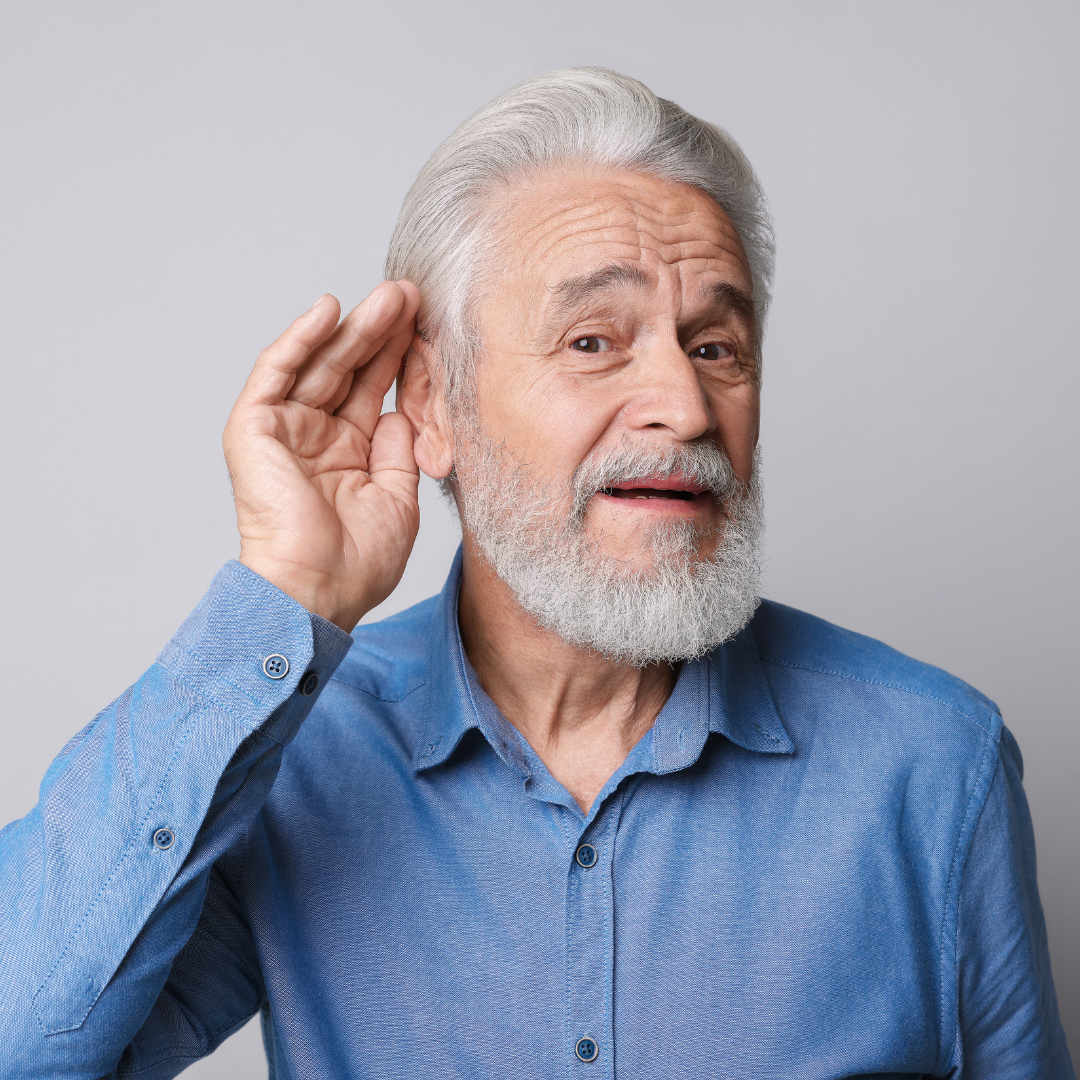
A rapid drop in hearing in one ear can cause immediate fear and leave patients confused regarding the appropriate next steps. Our clinical team conducts same-day diagnostic hearing evaluations and streamlines collaborative medical care following sudden auditory changes. Rapid-onset sudden hearing loss mandates swift clinical attention from an audiologist or physician to explore prompt treatment or auditory rehabilitation.
Is Sudden Deafness in One Ear Considered a Medical Emergency?
Yes. A sudden hearing loss affecting one ear must be addressed as a true medical emergency, especially if it unfolds across hours or several days. Sudden sensorineural hearing loss (SSNHL), frequently referred to as sudden deafness, stems from pathology within the cochlea or the auditory nerve pathways. The episode frequently strikes without pain, making it easy to dismiss as seasonal allergies, sinus pressure, or a clogged ear.
Potential signs of this condition include:
- An acute reduction in speech clarity or acoustic loudness on one side
- Struggling to hear or follow telephone speech on the compromised side
- An audible popping sound or intense feeling of aural fullness preceding the auditory decline
- New ringing, buzzing, or roaring in the affected ear
- Onset of rotational vertigo, postural instability, or general disequilibrium
Do not adopt a wait-and-see strategy hoping the auditory deficit corrects itself. Reach out immediately to our audiology office, an urgent care facility, or an otolaryngologist for same-day evaluation.
Why Rapid Clinical Intervention Matters for Sudden Unilateral Hearing Loss
Prompt diagnosis is paramount because pharmaceutical therapies for sudden sensorineural hearing loss achieve optimal outcomes when initiated immediately. We first differentiate whether the condition represents a conductive loss from cerumen or fluid, or a true sensorineural loss involving the inner ear or vestibulocochlear nerve. These conditions can feel similar but require different care.
Performing physical otoscopy alongside a diagnostic hearing test confirms the exact classification, frequency configuration, and decibel severity of the hearing loss.
Obtain urgent emergency medical evaluation without delay if sudden hearing loss is accompanied by:
- Unilateral facial paralysis, localized weakness, or facial numbness
- Dysarthria (slurred speech), acute cognitive confusion, or an atypical, severe headache
- Sudden double vision, loss of consciousness, or profound unsteadiness when walking
- Severe chest pain, shortness of breath, or critical emergency symptoms
Such clinical findings often indicate an urgent vascular or central neurological emergency that cannot wait for an outpatient appointment.
What Triggers Sudden Deafness in a Single Ear?
In a large majority of sudden sensorineural hearing loss cases, diagnostic testing reveals no identifiable definitive etiology. In cases where an etiology is successfully uncovered, it frequently involves localized inflammation, physical trauma, microvascular compromise, autoimmune pathology, or auditory nerve disorders.
Recognized pathological triggers include:
- Inner ear viral pathogens or severe bacterial infections
- Head trauma or exposure to an intense sound
- Diagnosed autoimmune disorders affecting the inner ear sensory systems
- Prescription drug ototoxicity impacting the auditory receptor cells
- Cochlear ischemia resulting from vascular occlusion or microcirculatory failure
- Peripheral inner ear pathologies such as classic Ménière’s disease
- Demyelinating central nervous system diseases including multiple sclerosis
- A benign tumor, such as a vestibular schwannoma, compressing the vestibulocochlear nerve
Since patient symptoms alone cannot isolate the precise pathophysiological cause, immediate physical exam and audiologic testing are essential.
Medical Management and Interventions for Sudden Sensorineural Hearing Loss
Systemic or topical corticosteroids represent the standard clinical intervention for idiopathic sudden sensorineural hearing loss. Steroid medications can be administered as an oral taper or delivered via intratympanic injection through the eardrum directly into the middle ear space to diffuse into the cochlea. Clinical treatment pathways are determined by our specialists based upon presentation timing, loss magnitude, underlying health status, active prescriptions, and risk factors.
Steroids are typically administered within the first two weeks of onset, making it critical to begin medication as early as medically appropriate. Local intratympanic injections of steroids provide a valuable secondary salvage protocol when systemic therapy yields suboptimal hearing recovery. For specific candidates, a physician may recommend hyperbaric oxygen therapy in combination with aggressive steroid therapy.
Prognosis and Spontaneous Recovery in Sudden Unilateral Hearing Loss
A sudden sensorineural hearing loss may occasionally resolve on its own without pharmacological treatment. About half of diagnosed individuals regain varying degrees of hearing without treatment, typically over the initial two weeks. However, there is no reliable way to know at the beginning who will recover, how much hearing will return, or whether the improvement will last.
The possibility of spontaneous recovery is not a reason to delay care. Therapeutic success diminishes significantly if care begins weeks after the incident, meaning delays can permanently eliminate an important window of recovery. Hearing recovery spans a spectrum ranging from complete resolution to partial restoration or minimal gains.
Managing Unresponsive Sudden Hearing Loss: Next Steps
When medical therapy fails to restore hearing, secondary strategies are determined by residual pure-tone thresholds, word-recognition performance, and diagnostic rule-out testing. Our clinicians frequently recommend diagnostic MRI imaging or specialized auditory brainstem response testing to evaluate the hearing nerve and surrounding anatomy.
Extended rehabilitative solutions may incorporate:
- Custom programming of a traditional hearing aid when the ear maintains usable acoustic thresholds
- A Contralateral Routing of Signals (CROS) hearing system that wirelessly routes sound from the non-functional side to the healthy ear
- Bone-conduction hearing implants or transcutaneous bone processors for suitable clinical patients
- Cochlear implantation for medically and audiologically eligible candidates presenting with single-sided deafness (SSD)
- Remote microphones and assistive listening tools configured for complex occupational, educational, or personal environments
Structured audiologic rehabilitation directly targets listening fatigue, binaural sound localization deficits, and functional communication breakdowns. Choosing the best rehabilitative device hinges upon clinical hearing test scores, communication environments, medical background, and individual preferences.
Contact Us for an Urgent Hearing Assessment
Should your hearing acuity decline abruptly today or over recent days, pursue immediate same-day clinical guidance rather than booking a routine appointment. Our clinic will perform comprehensive diagnostic hearing testing, compare thresholds between ears, document onset chronology, and coordinate urgent care with an ENT physician.
Contact us to request a prompt hearing appointment.